
Case Studies
How Gun Store Systems Perform in the Real World
Four firearm businesses, four different models, one method. Each of these engagements started by finding which system was the constraint — then rebuilding it as part of a connected whole rather than as another disconnected tool.
A multi-location retailer, a family store running a national catalog, a specialised gunsmithing and manufacturing shop and a builder competing in a narrow technical category do not need the same stack. What they share is the failure mode: growth stalls because the systems behind the business are not connected, not because demand is missing.
Every engagement below was scoped against the same five systems — growth, payment, fulfillment, retention and operating — and the work documented here is what was actually built.
Selected work
Implementations across firearm retail, ecommerce and manufacturing
Each case study covers the constraint, the systems engaged, what was built and where the business stands afterwards.
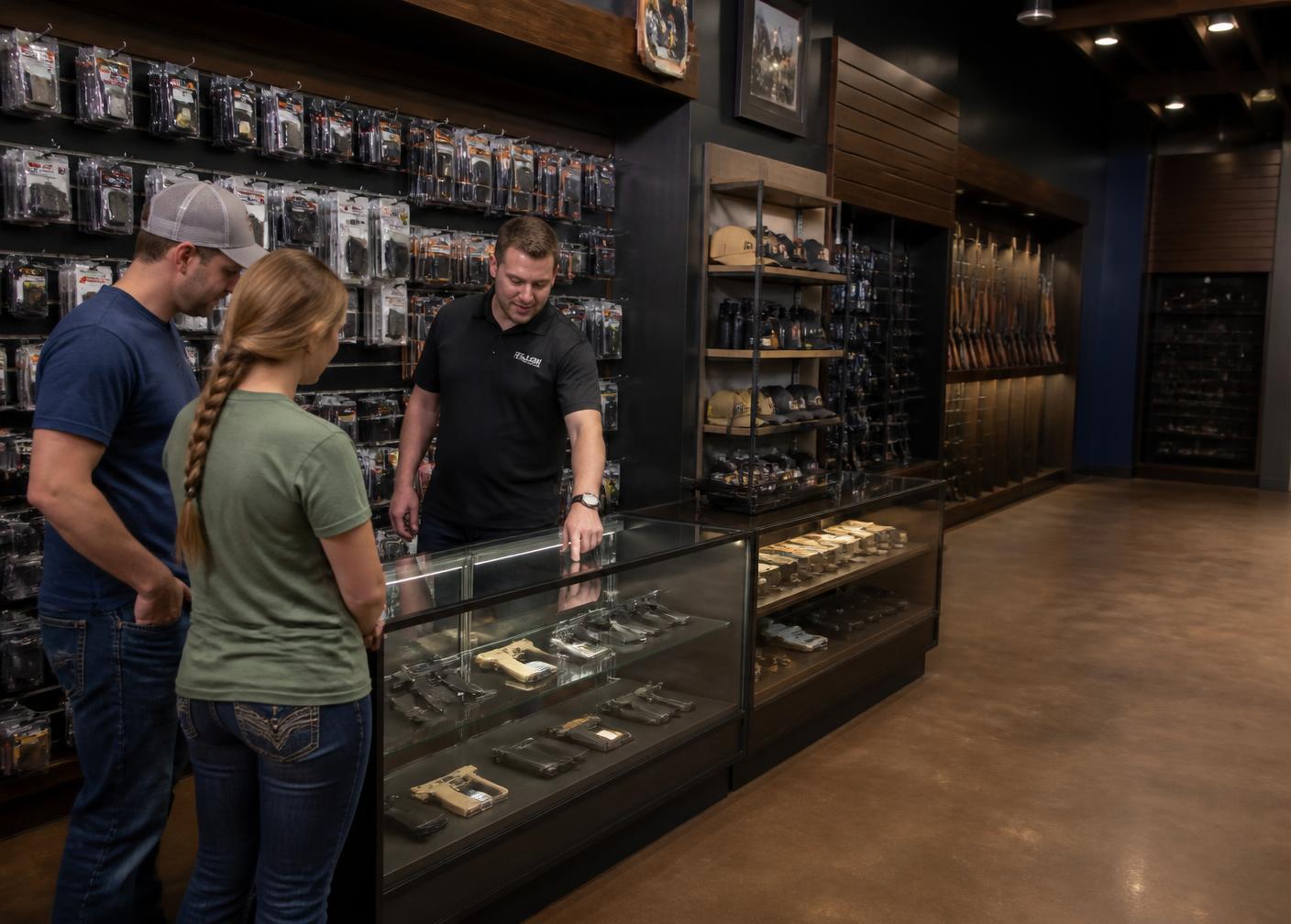
Multi-location firearm retail · WooCommerce · FFL Cockpit
Armory 219
A multi-location retailer running one connected system
Two retail locations, a live firearm catalog and a transfer operation, unified behind one ecommerce, inventory and marketing system instead of three disconnected tools.
- Growth
- Fulfillment
- Retention
- Operating
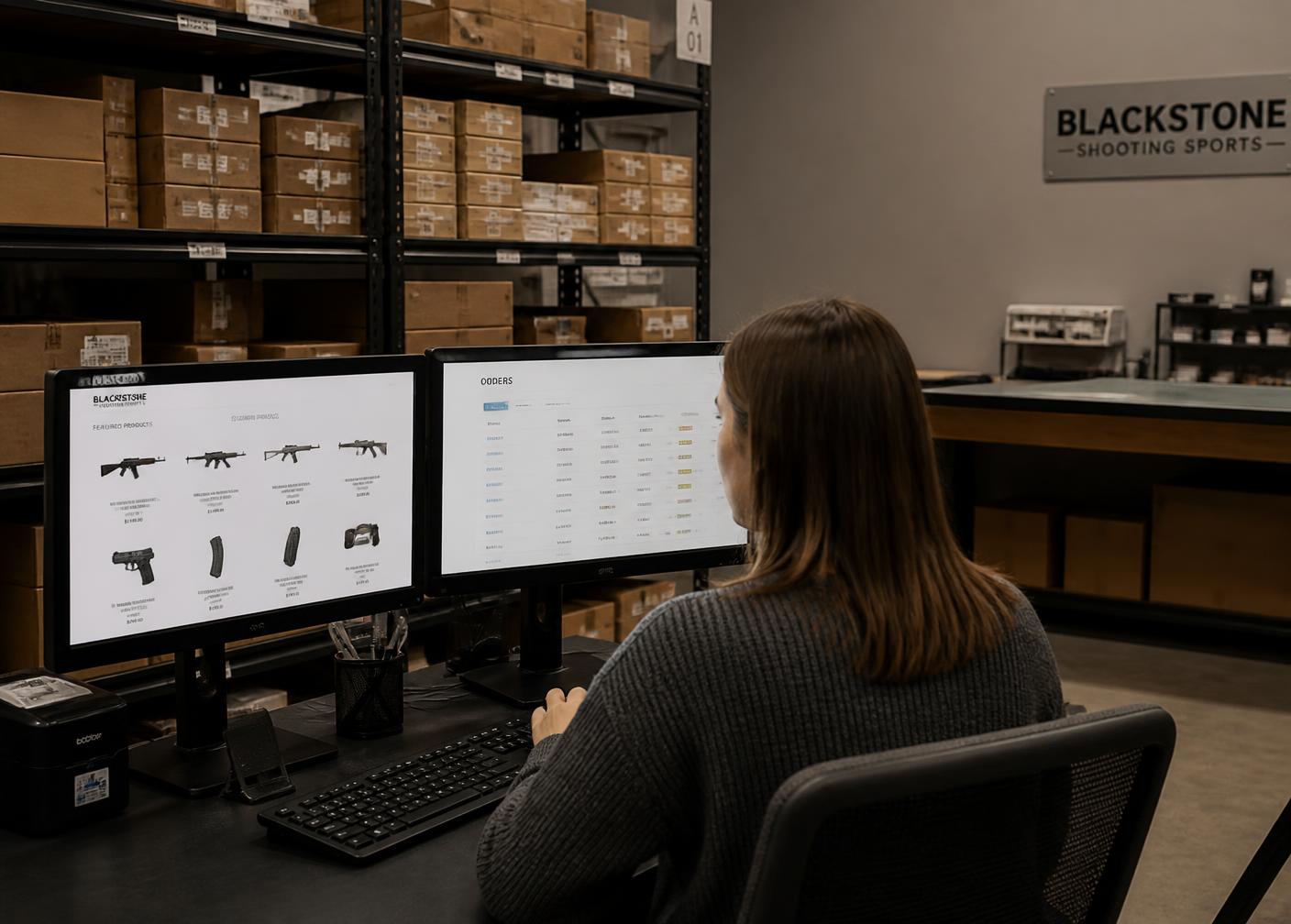
Local retail + national ecommerce · WooCommerce · FFL Cockpit
USA Gun Store
Arkansas retail and a national ecommerce catalog on one platform
A family-run Wynne, Arkansas retailer running a large national firearms and ammunition catalog — two very different businesses served by a single ecommerce, fulfillment and search architecture.
- Growth
- Payment
- Fulfillment
- Operating
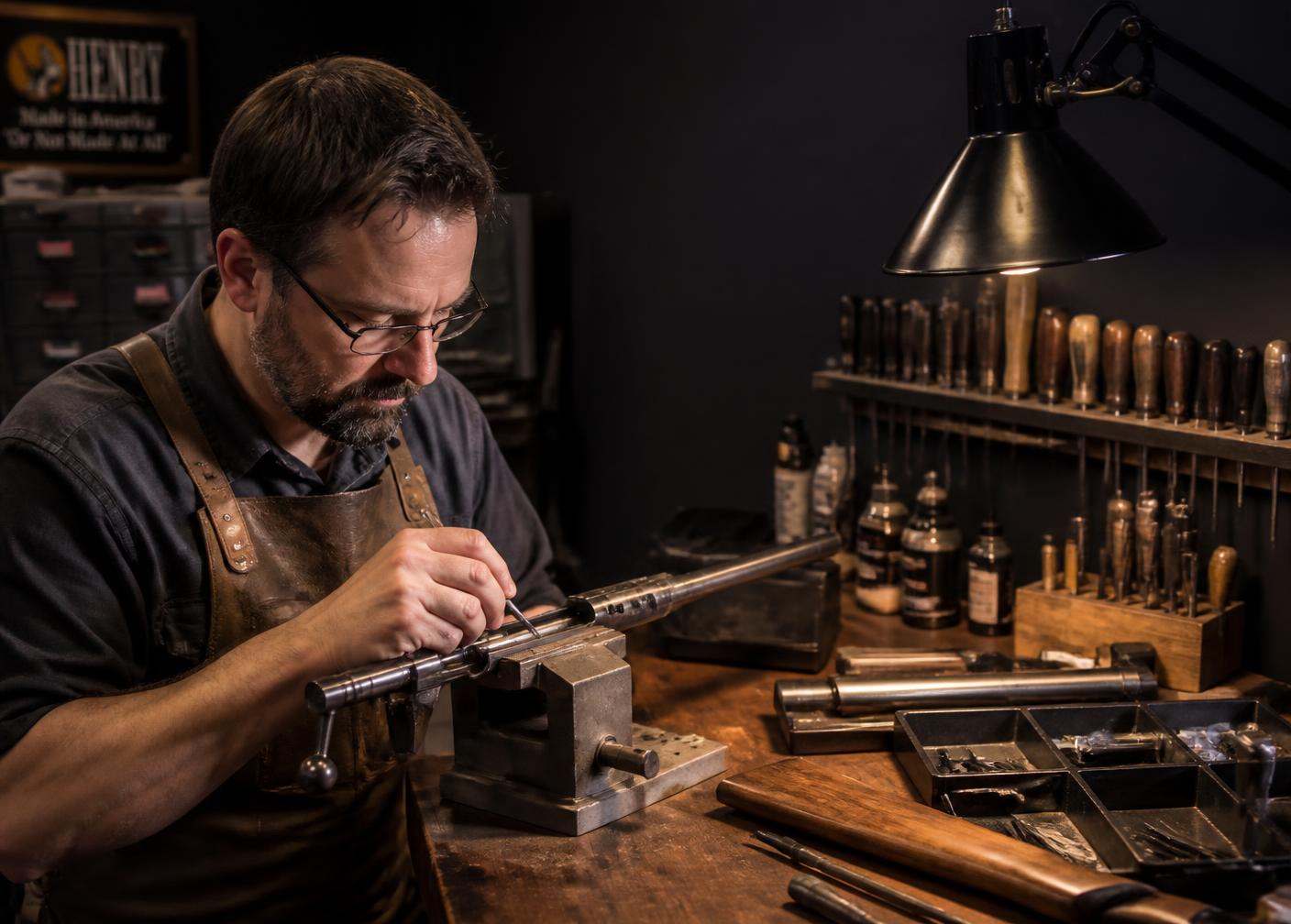
Gunsmithing + 07/02 FFL/SOT · service-led search
Armored Boar Gunworks
A specialised gunsmithing and manufacturing shop made findable
A specialised gunsmithing and manufacturing operation whose real expertise was invisible online — rebuilt around the specific services customers search for.
- Growth
- Retention
- Operating
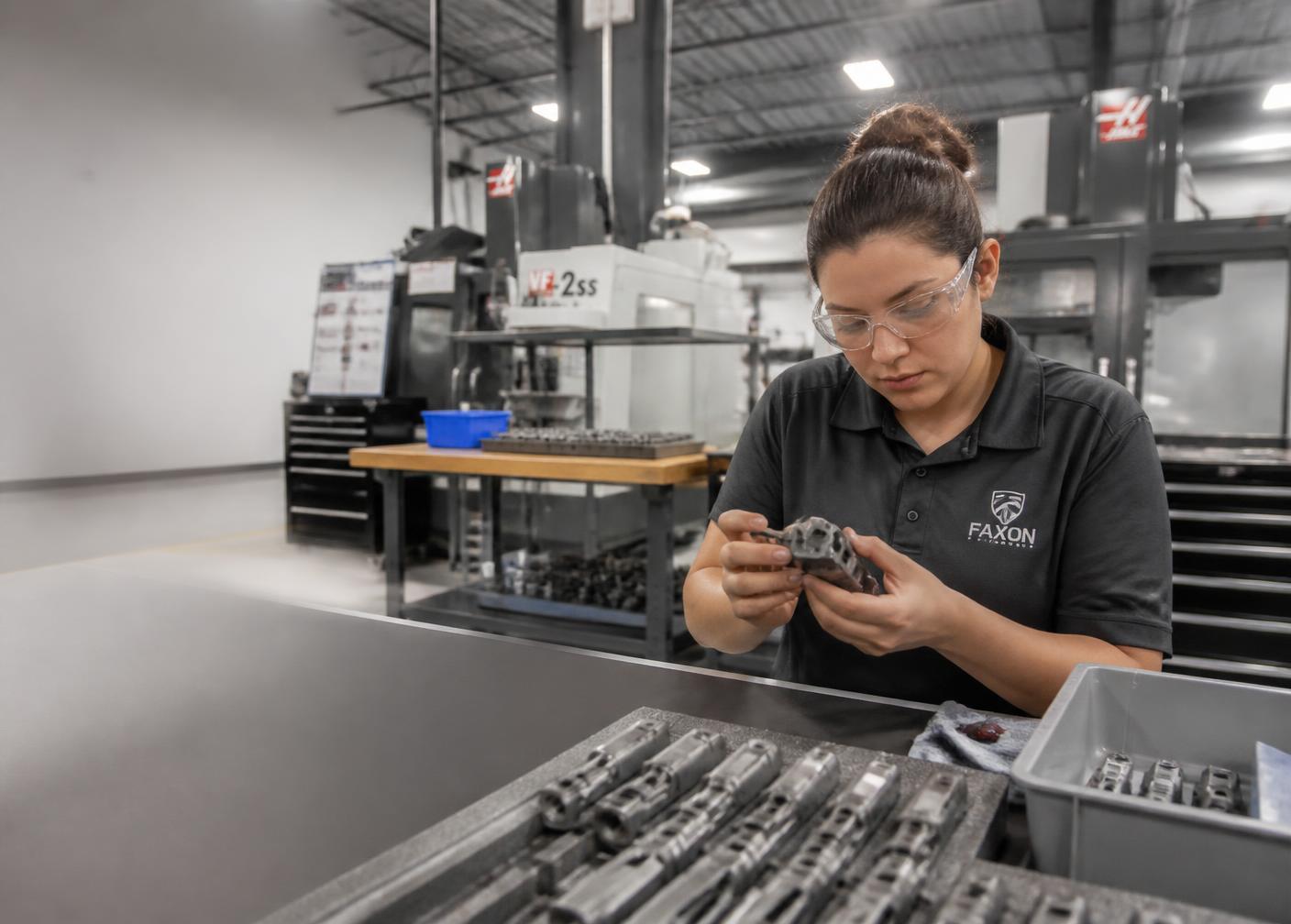
Integral suppressed builds & SD conversions · topical authority
Ronin Arms
Topical authority for a category most buyers search by name
A specialised platform builder competing in a narrow, technical category — built around high-intent search architecture rather than broad firearm keywords.
- Growth
- Payment
- Retention
Systems coverage
Which systems each engagement engaged
The same five systems, weighted to the business model in front of us.
| Client | Growth | Payment | Fulfillment | Retention | Operating |
|---|---|---|---|---|---|
| Armory 219 | Engaged | Not in scope | Engaged | Engaged | Engaged |
| USA Gun Store | Engaged | Engaged | Engaged | Not in scope | Engaged |
| Armored Boar Gunworks | Engaged | Not in scope | Not in scope | Engaged | Engaged |
| Ronin Arms | Engaged | Engaged | Not in scope | Engaged | Not in scope |
Answers
Questions about this work
- Why do these case studies not include traffic or revenue numbers?
- We publish what was built, which systems it touched and how the business operates afterwards. Client performance figures are only published with the operator's written approval, so nothing on this page is estimated, modelled or rounded up.
- Do you only work with retail gun stores?
- No. The work spans multi-location retail, national firearm ecommerce, gunsmithing and manufacturing shops, and specialised platform builders. The five systems are the same in each; the weighting changes with the business model.
- What does an engagement usually start with?
- A Systems Assessment. We review the systems already running — website, ecommerce, payments, inventory, FFL workflow, customer data and operational software — and identify which one is the current constraint before any build work is scoped.

Systems Assessment
See what your systems look like from the outside
A Systems Assessment reviews the platform, payments, fulfillment, retention and operations you already run, and identifies the constraint before anything gets rebuilt.